Mehndi designs 2026 for wedding guests: 5 styles and how to get a dark colour
Minimal finger patterns, Arabic bel, jaal and open florals lead this wedding season. Which style suits which function, and how to get a deep stain safely.
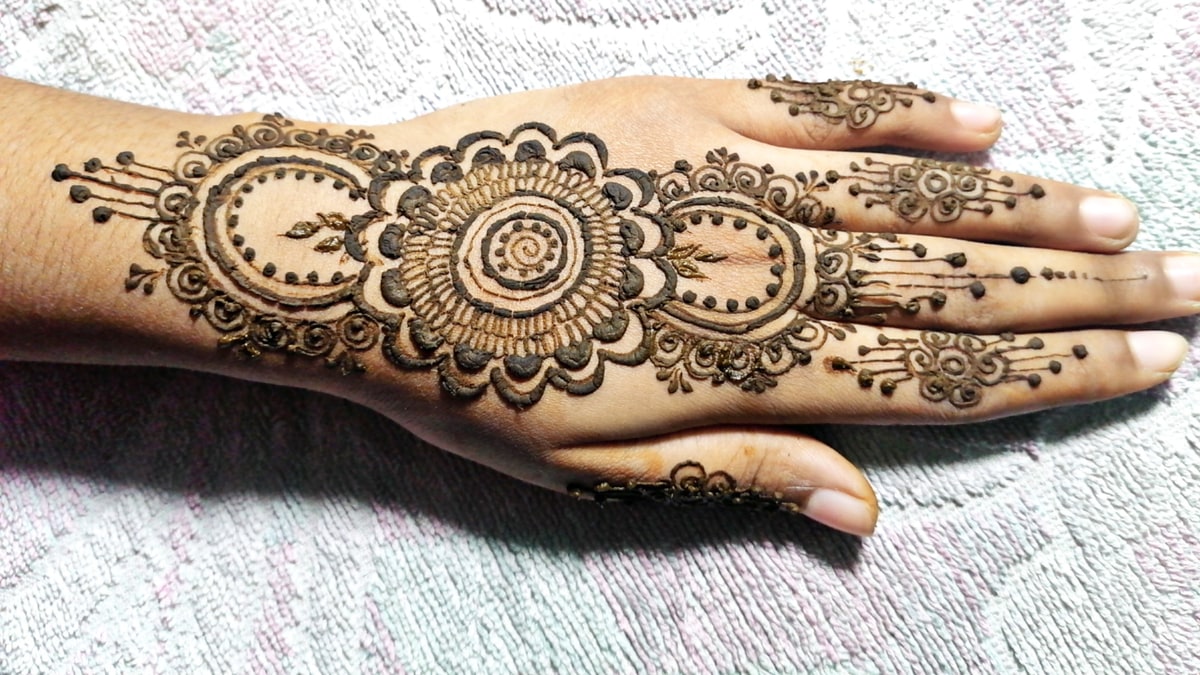
Wedding season starts in earnest this month, and with it the yearly question in every family WhatsApp group: what mehndi design should I get? The styles people are searching and sharing this year lean lighter than the full-arm bridal patterns of a few years ago: minimal finger designs, single Arabic trails, small mandalas and back-of-hand florals. Here are five that work for guests, which function each suits, and how to make the colour last.
1. Minimal finger mehndi
Thin lines, dots and tiny leaves along the fingers, sometimes with a ring-like band at the base, and the palm left bare. It takes about 15 minutes, which matters on the day of a mehndi when one artist is doing twenty cousins. It looks modern with rings and works for office-going women who do not want a full hand on Monday.
2. Arabic bel (trail)
One diagonal trail of flowers and leaves running from the index finger across the back of the hand to the wrist, with plenty of empty skin around it. The open space is the point: it makes the design look neat in photos even when the stain is lighter. Good for the barat or walima, where you want something polished but not heavy.
3. Jaal (lattice) on the back of the hand
A mesh of small diamonds or circles filled in across the back of the hand, finished with a border at the wrist like a bracelet. Jaal reads as traditional Pakistani mehndi and suits the mehndi night itself, especially with choorian. Ask for fine lines; thick jaal can turn into a blur as it fades.
4. Small mandala in the palm
One round mandala in the centre of the palm, with the fingertips filled in. This is the classic for girls and young women and photographs well with hands held up. It is also the easiest pattern to do at home with a cone if you have a steady hand.
5. Floral back-hand with negative space
Large, open flowers with leaves and unfilled petals, so the skin itself becomes part of the design. Negative-space designs were among the most shared styles this year, and they flatter darker skin tones because the contrast stays clean.
For the bride, not the guests
Full bridal mehndi, covering both hands and forearms, often with the couple’s initials hidden in the pattern, is still the norm for brides. As a guest, keep yours simpler than the bride’s. It is a small courtesy that families notice.
How to get a darker colour
Natural henna leaves an orange stain at first that deepens to reddish-brown over the next day or two. To help it along: apply on clean skin without lotion, leave the paste on for several hours (overnight is best), dab a little lemon-sugar mixture on it once it dries so it stays on the skin, and scrape it off rather than washing it. Avoid water on your hands for the first few hours after.
Avoid ‘black henna’
If the paste is jet black, or someone promises a dark result in half an hour, say no. The US Food and Drug Administration warns that products sold as “black henna” often contain PPD, a hair-dye chemical not meant for skin, which can cause blistering, scarring and a lifelong allergy, even after one use. Real henna paste is green to brown and the stain is never black. Buy cones from a known shop, and if your skin burns or itches badly under the paste, wash it off and see a doctor.