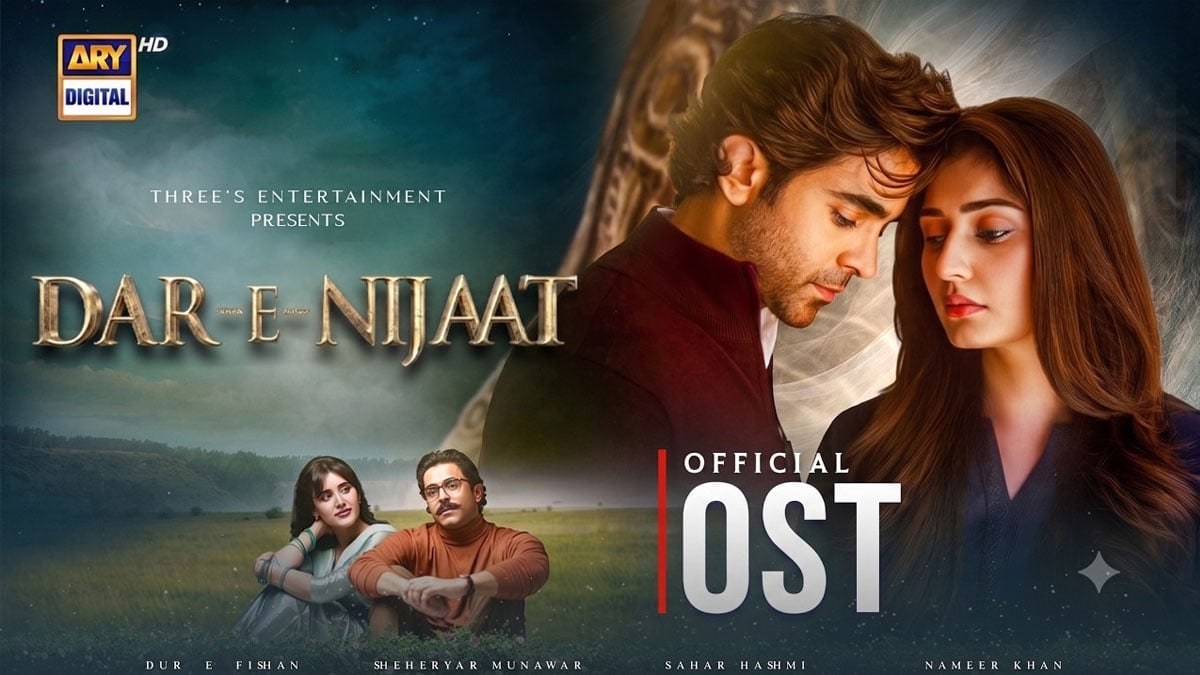
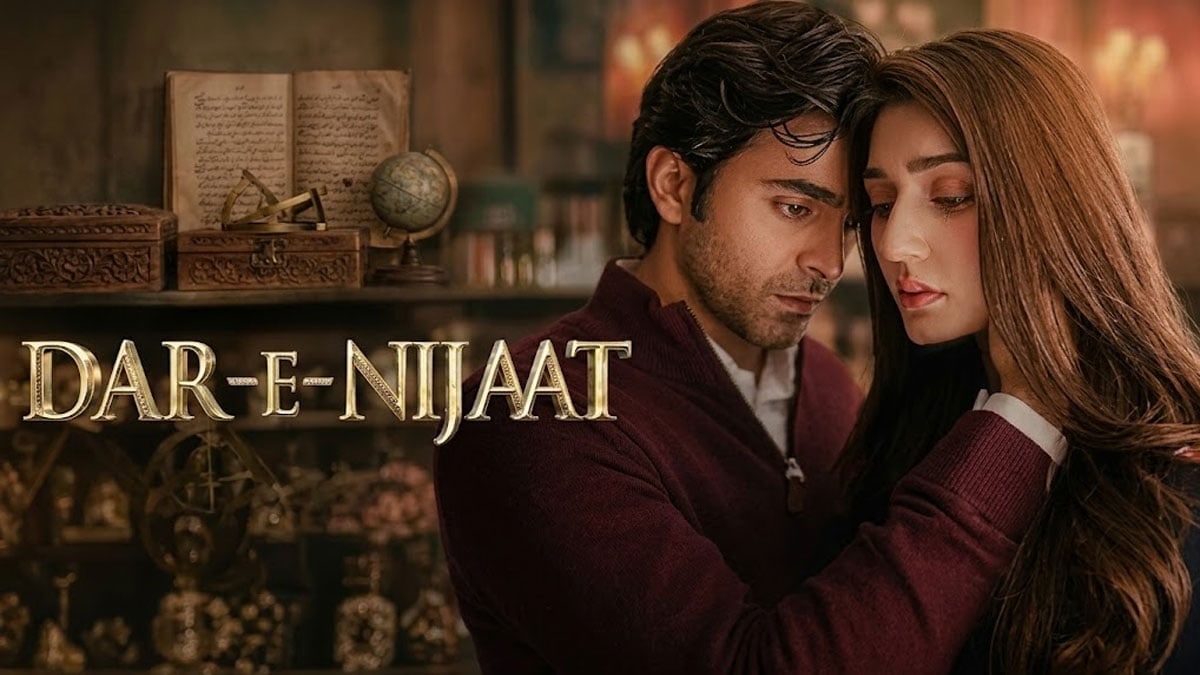
Durefishan Saleem on Dar-e-Nijaat sleeveless dress scene: 'judging is the issue'
Zaryab refused a sleeveless dress in Dar-e-Nijaat and the internet split. Durefishan Saleem answered on Instagram. What she said, and our take on the debate.
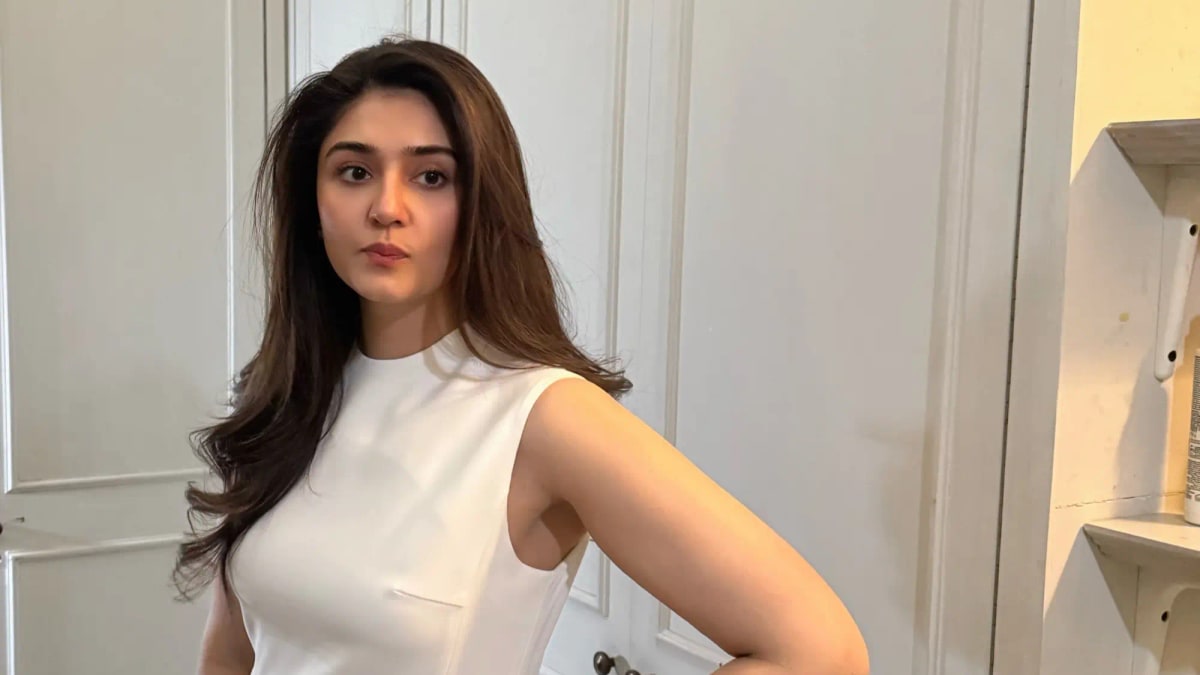
Column. Spoilers for the latest Dar-e-Nijaat episode. Durefishan Saleem was the second-biggest Google search in Pakistan on Monday, and the reason is one small scene. In the newest episode of ARY Digital’s Dar-e-Nijaat, her character Zaryab says no to a sleeveless outfit for a family gathering, explaining that she no longer feels comfortable dressing that way. Some viewers called it a beautiful step in her faith; others said the drama was quietly telling women what to wear.
On Sunday, Durefishan answered both sides on Instagram.
What Durefishan Saleem said
She posted a photo of herself in a sleeveless outfit, with slides about Zaryab, the Express Tribune and Dawn Images reported. Her main line: the problem starts “when we begin questioning, scrutinising or judging her choices instead of simply respecting them.”
She made it personal, too. She wears sleeveless clothes herself and is comfortable in them, she wrote. “That’s my personal relationship with modesty, and someone else’s may look very different to it.” That difference, she said, “doesn’t give me the right to question or judge their choices.”
And she pushed back on the idea that a drama character speaks for every woman: “Zaryab’s choice is not necessarily a declaration about anyone else’s choices.” Her sharpest line was aimed at the internet itself: “Not every character arc needs a panel discussion, a jury and a final verdict from the internet.”
The Tribune also noted that, in the story, the choice is Zaryab’s own. Her husband Abu Bakr (Sheheryar Munawar) did not ask her to change.
Why this scene hit a nerve
Dar-e-Nijaat, written by Umera Ahmed and directed by Saqib Khan, is one of the most-watched dramas on YouTube in Pakistan this season, and Zaryab’s slow turn toward faith is its spine. Umera Ahmed’s stories have always been read as messages, from Peer-e-Kamil onward, so viewers come in ready to decode every choice.
This is also not the first time Zaryab’s clothes have been the topic. Weeks ago, a sleeveless look in an earlier episode drew comments about Durefishan’s arms, and she replied with a sarcastic post; Roma Riaz also spoke up against the body-shaming. So the same wardrobe has now been attacked from two directions: for showing too much, and for covering up.
Our take
Durefishan is right on the main point, and she said it well. A character who changes how she dresses is telling her own story, not issuing a rule. The best Pakistani dramas let a woman want something, change her mind, and live with it.
But critics are not wrong to ask questions either. Our dramas have a long habit of rewarding the “good” woman who covers up and punishing the “modern” one. When that pattern repeats for years, viewers notice, and one scene carries the weight of a hundred others. The fair test is how Dar-e-Nijaat treats the women around Zaryab who dress differently. If they are written as people, not warnings, the drama earns its scene.
What to watch next: the episode 30 promo, and whether the writing gives Zaryab’s choice room without turning it into a lecture.