OpenAI losses hit $10.9bn in a quarter as revenue climbs to $10bn
OpenAI's sales jumped about 50% in the third quarter, but it lost more than it earned, the WSJ reports. What the numbers say about the AI boom, and Pakistan.
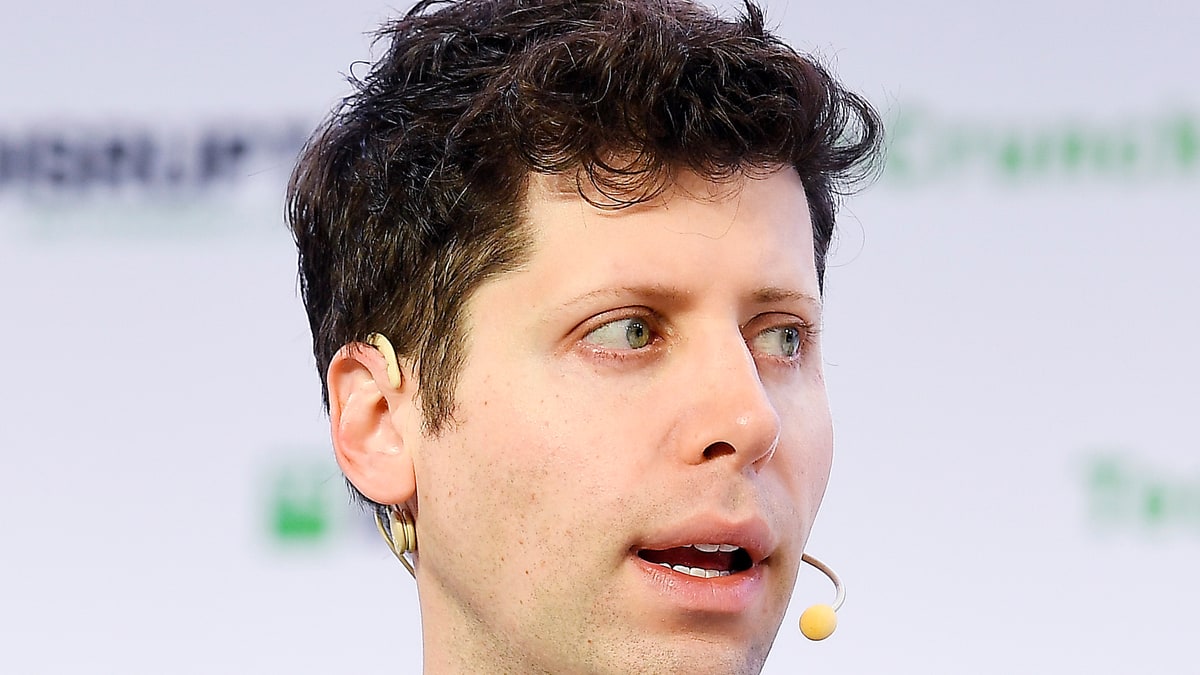
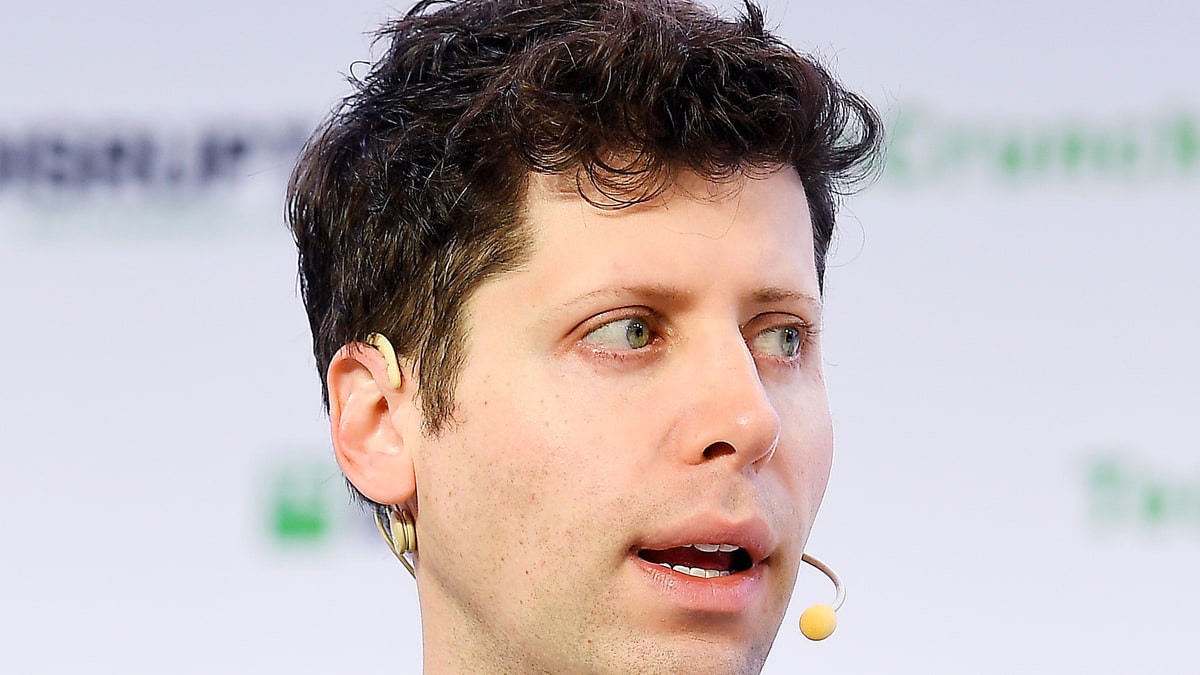
OpenAI made about $10 billion in revenue between July and September, roughly 50% more than the quarter before, but its operating loss grew to $10.9 billion, The Wall Street Journal reported on Tuesday, 10 November, citing figures shown to investors. Reuters carried the report and said OpenAI did not immediately respond to a request for comment.
In plain words: the ChatGPT maker is now spending about two dollars for every dollar it brings in.
The numbers
- Revenue: about $10 billion in the third quarter of 2026, up around 50%.
- Operating loss: $10.9 billion, up from $10.1 billion in the second quarter.
- Adjusted operating margin: minus 109%, better than minus 150% the quarter before, according to the WSJ.
That last line is the one OpenAI’s investors will hold on to. Revenue is growing faster than costs, so the gap is narrowing as a share of sales. But in plain money, the hole got bigger.
Why is OpenAI losing so much?
The money goes on computing power: the chips and data centres needed to train new models and to answer hundreds of millions of ChatGPT users every day. Every free user who asks ChatGPT to write an essay costs OpenAI something to serve. The company has signed huge long-term deals for data-centre capacity, and those bills arrive whether or not revenue keeps up.
Why the timing matters
The report lands in the same week that Anthropic, the maker of Claude and OpenAI’s closest rival, is preparing to list its shares. Media reports say Anthropic’s bankers are aiming for a valuation of $1.3 trillion to $1.4 trillion, and Anthropic has published its own revenue in its filing. Investors buying into that listing will compare the two companies line by line, and a $10.9 billion quarterly loss at the market leader is the kind of figure that makes people ask how long the spending can last. OpenAI has itself been reported to be preparing for a listing in 2027.
Our take: what it means for Pakistan
For Pakistani freelancers, students and software houses, the short-term answer is: not much changes tomorrow. ChatGPT and the API keep working, and price competition between OpenAI, Anthropic and Google is the reason AI tools have become cheaper to use.
The longer-term risk is the opposite. Companies losing this much eventually raise prices, cut free tiers or push harder on paid plans. If you have built a business, a course or a client workflow on one AI tool, keep it portable: save your prompts, know how to switch to another model, and don’t price your services as if today’s cheap rates are permanent.
Is this an AI bubble? Losses alone don’t prove that; Amazon and Uber lost money for years. What would worry investors is revenue growth slowing while losses stay this size. OpenAI’s next quarter, and the reception of Anthropic’s share sale, will show which way it goes.