Cricket Scotland cuts Afghanistan ties outside ICC events: why
Scotland will only play Afghanistan when ICC rules force it, citing Taliban curbs on women. What the decision covers, what it doesn't, and who did it first.
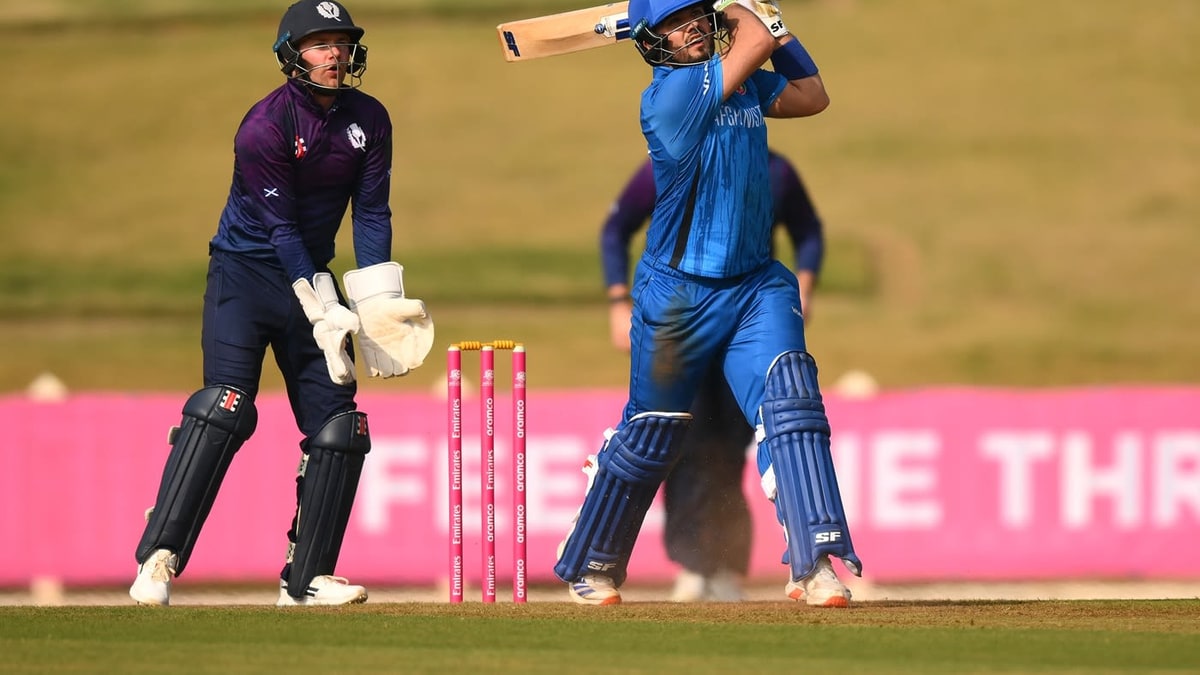
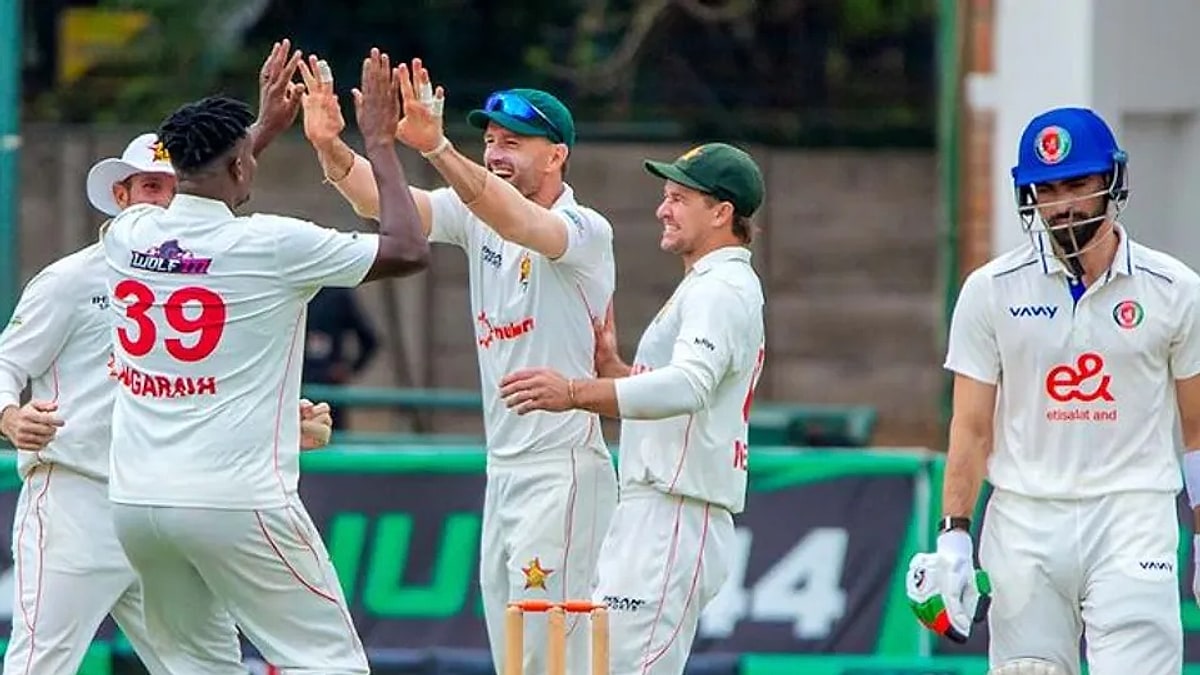
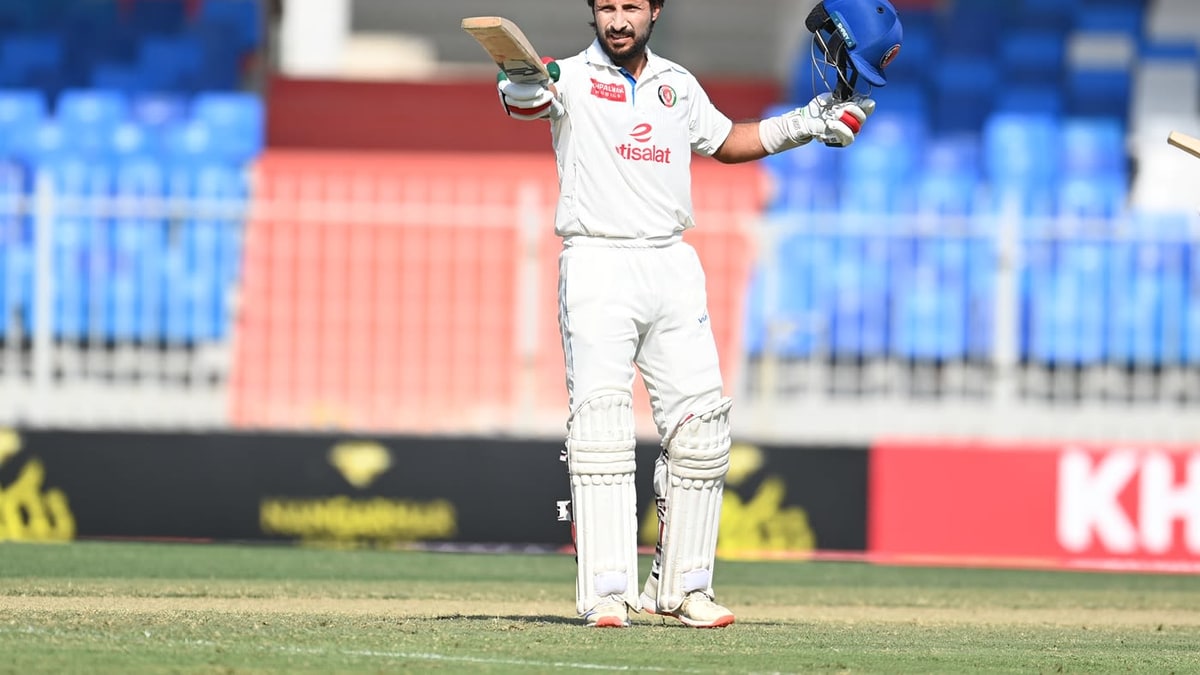
Cricket Scotland will no longer arrange any cricket with Afghanistan outside ICC tournaments, the board announced on Monday, 9 November, pointing to the Taliban government’s treatment of women and girls. Scotland will still face Afghanistan when an ICC event’s rules require it, warm-up matches included, but will not schedule bilateral series or other games with them.
That puts Scotland alongside Cricket Australia and the England and Wales Cricket Board, which have already stopped bilateral cricket with Afghanistan for the same reason.
What set this off?
According to ESPNcricinfo, Cricket Scotland began reviewing its relationship with the Afghanistan Cricket Board this summer, after the ACB asked to use training facilities in Scotland before Afghanistan’s tour of Ireland. A second request came in September, linked to the proposed Afghanistan Premier League.
In its statement the board said its decision reflected its commitment to growing the women’s and girls’ game and the humanitarian situation in Afghanistan, where women have been barred from secondary school, university and almost all sport since the Taliban returned in 2021. Afghanistan’s women’s cricket team no longer exists inside the country.
What the decision does not cover
Scotland’s players are not being blocked from playing alongside Afghans in leagues. The board said it would keep its contractual obligations to players and could issue no-objection certificates for the Afghanistan Premier League if the ICC formally approves that tournament. Reports differ on whether the policy was shared only with the men’s squad or with all contracted players.
The board also said it would review the policy every year, or sooner after any major ICC decision or a real change in Afghanistan. The ACB had not responded when Reuters reported the news.
Why it matters here
Pakistan and Afghanistan play each other often, and many Afghan players learned the game in Pakistan’s refugee camps. The pressure on the ICC to act on the women’s team keeps growing as more full and associate members take this route, while the ICC itself still lets Afghanistan play its events. Watch for the ICC’s position on the Afghanistan Premier League: if it is not approved, Scotland’s no-objection question disappears.