Preventive detention ordinance: KP MPAs lose immunity and most privileges
A presidential ordinance strips 21 of 40 sections from KP's MPA privileges law, including the shield against preventive detention. What changed and why.
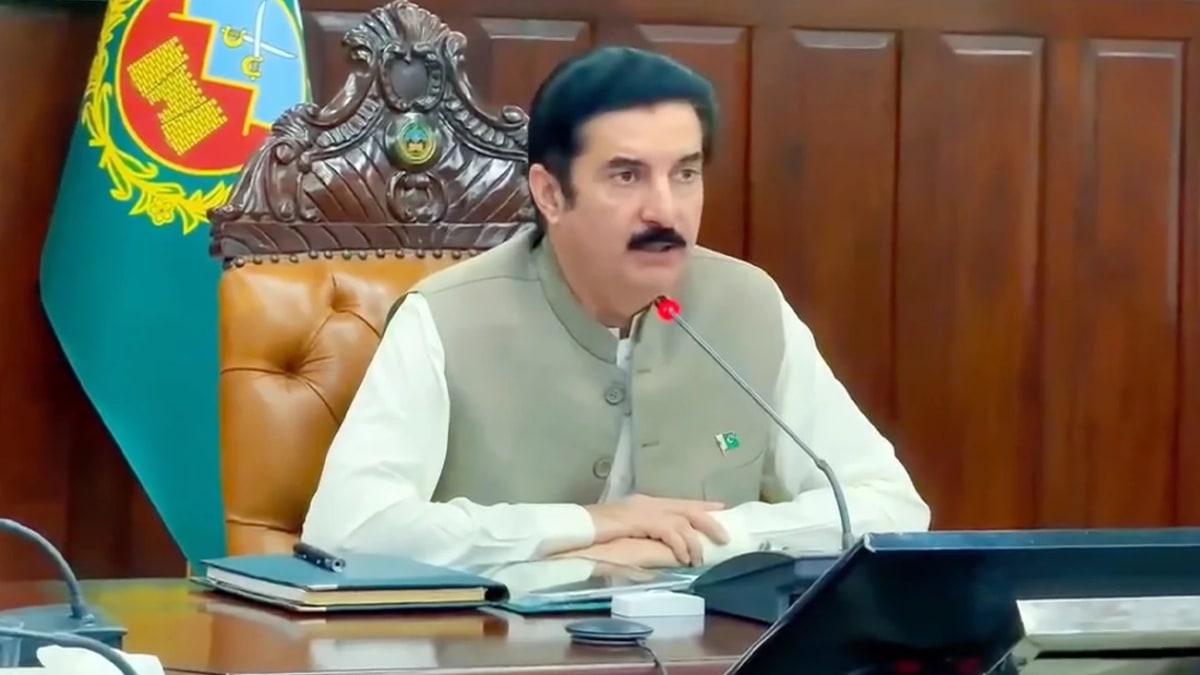
Members of the Khyber Pakhtunkhwa Assembly no longer have legal protection from preventive detention. A presidential ordinance has removed 21 of the 40 sections of the law that set out their powers and privileges, Dawn reported on Sunday, including the section that said no MPA could be held under any preventive detention law.
President Asif Ali Zardari’s office confirmed in a statement on Saturday that he had promulgated five ordinances for the province. Four of them were published in the Official Gazette on 19 November.
What did the ordinance take away from KP MPAs?
The amendment ordinance rewrites the KP Provincial Assembly (Powers, Immunities and Privileges) Act, 2026. According to Dawn and Minute Mirror, the sections now gone cover:
- protection from preventive detention
- the rule that police need the speaker’s permission before arresting or detaining a member
- the attendance of a detained or arrested MPA at assembly sittings
- immunity from civil or criminal action
- the assembly’s power to summon and to arrest
- breach of privilege as an offence, and the schedule listing those offences
The rest of the law, 19 sections, stays. The presidency’s statement did not explain the remaining provisions.
Why does preventive detention matter here?
Preventive detention means holding someone to stop what the government fears they might do, not because they have been charged with a crime. In KP it is not a theoretical question. Emergency and governor’s rule were imposed on 11 October, and according to police, Chief Minister Sohail Afridi, Speaker Babar Saleem Swati and other lawmakers have been in preventive detention since then, Dawn reported. Governor Faisal Karim Kundi said last month they had been placed under house arrest.
On 21 October, Kundi also handed deputy commissioners the power to order detentions under the Maintenance of Public Order Ordinance, 1960, Arab News reported. That law allows detention in periods of up to six months at a time.
The immunity itself was new. The assembly passed the privileges act on 30 April and the governor signed it on 6 May. The 1988 law it replaced protected members only for 14 days before and after a session, and seven days around a committee meeting, Dawn reported in July. The 2026 act made the protection blanket.
What are the other four KP ordinances?
- Two Special Initiative ordinances: one for 12 designated districts, including the merged tribal districts, and one for the rest of KP. Each sets up an executive committee that can approve projects and PC-1s and recommend executing agencies, including military formations. The prime minister nominates members for the designated districts and the governor for the others.
- These ordinances override KP’s procurement and public-private partnership laws, and civil courts cannot hear cases about decisions made under them.
- Societies (Registration) amendment: madrassas registered with the federal Directorate General of Religious Education no longer need to register under the provincial law.
- Speaker and Deputy Speaker ordinance: covers their salaries, allowances and privileges. No details were released.
What else did President Zardari sign?
He also assented to 12 federal amendment bills, Daily Pakistan reported, mostly on education bodies such as the HEC and the Federal Board.
What happens next?
No reaction from PTI or the detained lawmakers had been reported by Sunday morning. PTI chairman Gohar Ali Khan challenged the governor’s rule in the Peshawar High Court on 14 October, and those petitions are still the main legal route against the emergency. Under the Constitution, an ordinance has a limited life unless it is turned into an act.