Pakistan rejects Taliban's 'no capacity' claim and Khalilzad charge, demands action on TTP
Pakistan called Taliban spokesman Zabihullah Mujahid's denial diversionary, cited UN and US reports on the TTP, and rejected Zalmay Khalilzad's claims.
Pakistan has hit back at the Afghan Taliban after their spokesman said Kabul had neither the interest nor the capacity to stir up violence in Pakistan. In a statement on Saturday, 24 October, Pakistan’s information ministry called it a “diversionary” response and said the Taliban must end “any tolerance, facilitation or support” for militant groups such as the TTP and the BLA.
On the same day the ministry also rejected claims by former US envoy Zalmay Khalilzad that Pakistan was arming Afghans to fight the Taliban, calling them “baseless and misleading”.
What did Zabihullah Mujahid say?
In posts on X on Friday night, Taliban spokesman Zabihullah Mujahid said it was not in Afghanistan’s interest to create insecurity in Pakistan, and that the Taliban lacked the means to fund or fuel violence abroad. He accused Pakistan’s military establishment and security agencies of blaming Kabul whenever they failed to keep the peace, Arab News and Dawn reported. He also argued that instability in Pakistan would hurt Afghanistan economically too.
How Pakistan answered
The ministry said Pakistan’s concerns “are not based on conjecture” and pointed to two outside reports:
- A UN Security Council sanctions monitoring team report on militant groups in Afghanistan.
- A US Lead Inspector General report covering January to March 2026, which said the Taliban continued to let the TTP operate from Afghan soil and estimated its strength at 4,000 to 6,000 fighters, the largest of the groups it listed.
It also cited infiltration attempts at the border, Afghan nationals killed in counter-terrorism operations, foreign-made weapons recovered from militants, and alleged help to militants from Taliban officials, including in Kandahar. “Blaming Pakistan’s security institutions does not absolve the regime of its responsibility,” the ministry said, adding that Pakistan’s measures target militants, not ordinary Afghans, and that it is open to talks based on “verifiable action”.
What Khalilzad claimed
Khalilzad, who negotiated the 2020 US-Taliban deal, wrote on X on 23 October that there were “many reports” of Pakistan arming Afghans to fight the Taliban and recruiting Afghans against insurgents who target Pakistan, warning that relations could “get much worse”. Pakistan said he was recycling speculation to support the Taliban. It also blamed what it calls Indian-backed militant groups; India denies backing militants in Pakistan.
Khalilzad no longer holds a US government post. Pakistan has clashed with him publicly before, including in 2023 and November 2025, Dawn noted.
Why it matters
This is the latest round in a relationship that has worsened steadily since the Taliban returned to power in 2021. After militant attacks in Khyber Pakhtunkhwa in September, Pakistan carried out airstrikes in the border region, drones came in from Afghanistan and were shot down, and Pakistan struck again twice, according to Dawn.
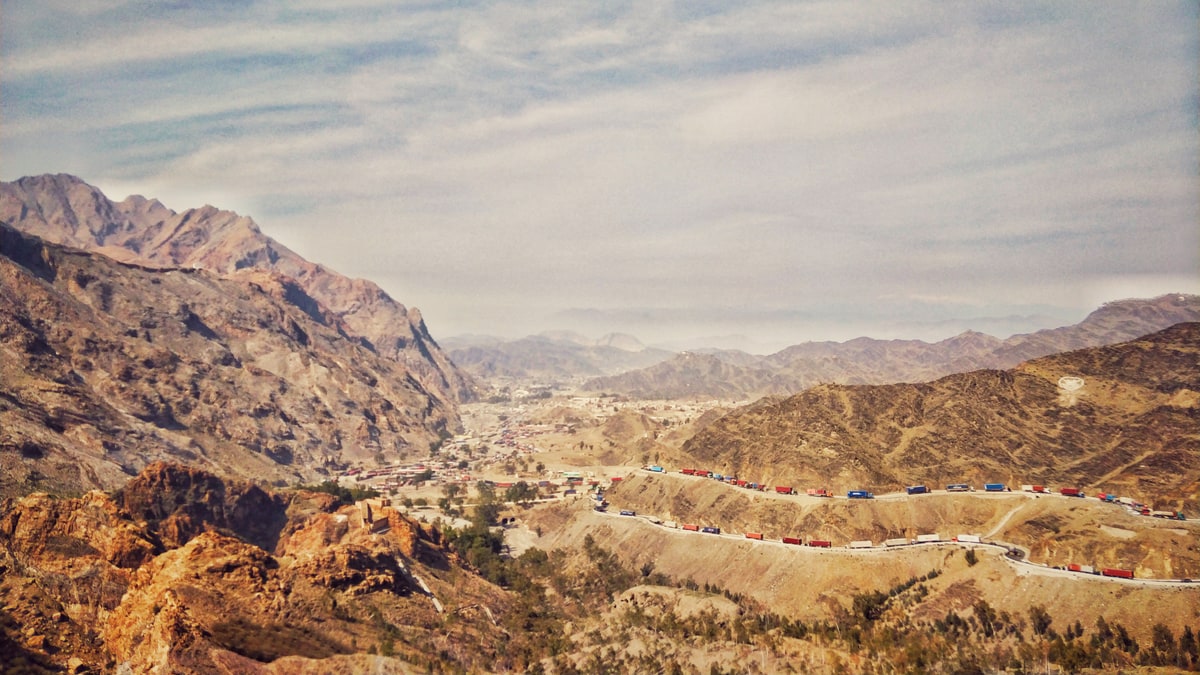
For people in KP and Balochistan, these statements are not abstract. Past spells of tension have brought border closures and trade disruption at crossings such as Torkham and Chaman. Neither side has offered a new step today beyond words, so watch for whether the border crossings stay open and whether any talks are announced.
Sources
- Dawn: Islamabad rebuts Kabul's stance on 'lacking capacity' to fuel insecurity in Pakistan
- Arab News: Pakistan seeks Afghan action on militants after Kabul denies facilitating cross-border attacks
- The Express Tribune: Pakistan rejects Afghan Taliban 'diversionary' allegations, demands action against TTP and BLA
- Geo News: Pakistan slams Afghan Taliban's 'diversionary claims', demands verifiable counterterror action
This story was researched and drafted with AI assistance, then checked and edited by our editor before publishing.