Khunjerab green channel: Pakistan and China agree fast-track customs for farm goods at Sost
Fruit, vegetables and other farm goods crossing Khunjerab will get priority checks under a new customs deal. What changes for traders, and the snow deadline.
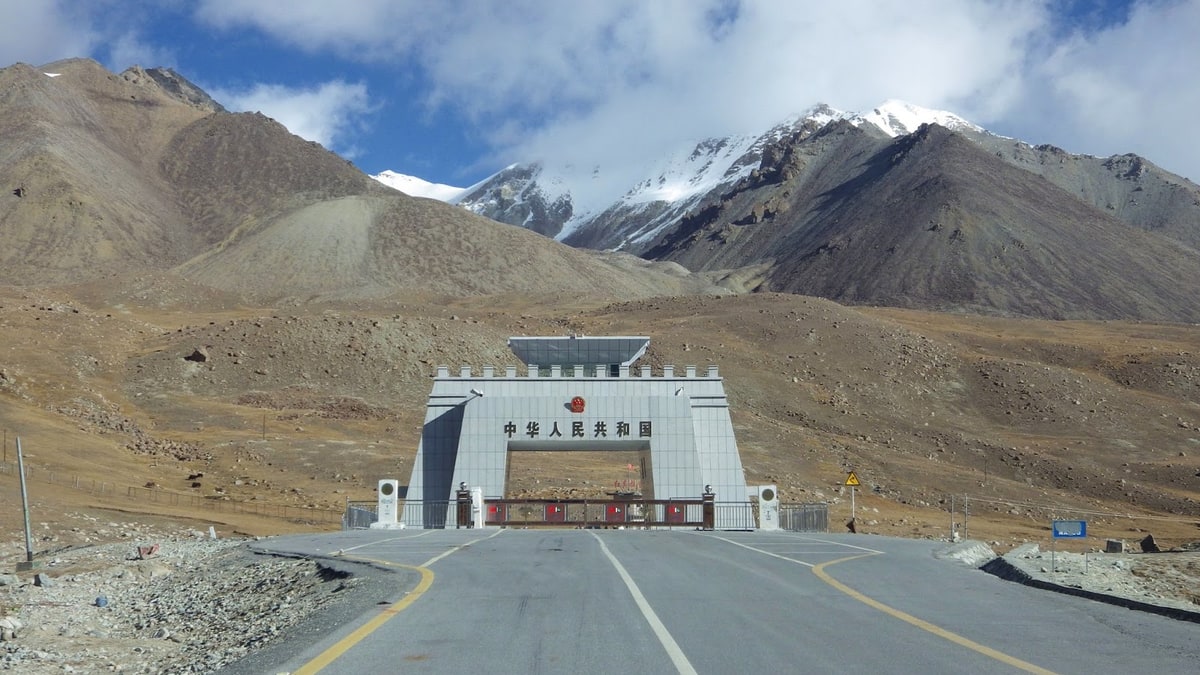
Pakistan and China signed an agreement on Thursday, 29 October, to open a customs “green channel” at the Sost-Khunjerab border for agricultural goods. Shipments on an agreed list of farm and allied products will get priority processing and inspection, and perishable cargo such as fruit and vegetables will be handled first to cut waiting time at the crossing.
The deal was signed online at the Federal Board of Revenue in Islamabad. Syed Shakeel Shah, Member Customs (Operations), led the Pakistani side. The Chinese delegation was headed by Li Qinghua, deputy head of Urumqi Customs and director of Tashkurgan Customs.
What the green channel changes
According to the official announcement, the agreement covers three things:
- Priority clearance for eligible agricultural consignments, while risk-based customs checks stay in place. Goods still get inspected; they just do not wait in the general queue.
- Information sharing between the two customs services, including alerts about risky shipments.
- Faster handling of perishables, so produce does not spoil while trucks wait at one of the highest border posts in the world.
The full product list and the start date have not been made public yet.
Why it matters for Pakistani traders
Trade through Khunjerab is lopsided. Pakistan Customs collected a record Rs15 billion in duties on imports from China through the pass last year, while exports going the other way, to China and Central Asia, were worth only Rs2.8 billion.
Farm goods are where Pakistan has the best chance to close that gap. Gilgit-Baltistan’s cherries, apricots and dried fruit, and mangoes and kinnow from the plains, all lose value with every day on the road. A delay of a few days at the border can decide whether a load sells at full price or not at all. Faster, predictable clearance helps small exporters most, because they cannot absorb that loss.
The Pakistani team at the signing included the Department of Plant Protection, the National Agri-Food Safety Authority, Pakistan Single Window and the Ministry of Commerce. That matters, because plant-health certificates and food-safety paperwork are usually what slow farm cargo down, not the customs desk.
The snow deadline
There is a catch in the timing. Under a 1985 border protocol, the Khunjerab Pass, at about 15,500 feet, is open for trade and travel only from April to November, because snow shuts the road in winter. With the season closing within weeks, most traders will only feel the difference when the pass reopens in April 2027.
The next thing to watch is the product list. If it covers Pakistan’s main export fruits, such as cherries and mangoes, the channel could make a real difference next season.