Noel Tata Tata Sons rift: who controls India's biggest business group?
Noel Tata's companies named chairs without Tata Sons' nod, reports say, deepening his feud with N Chandrasekaran. How the fight started and what is at stake.
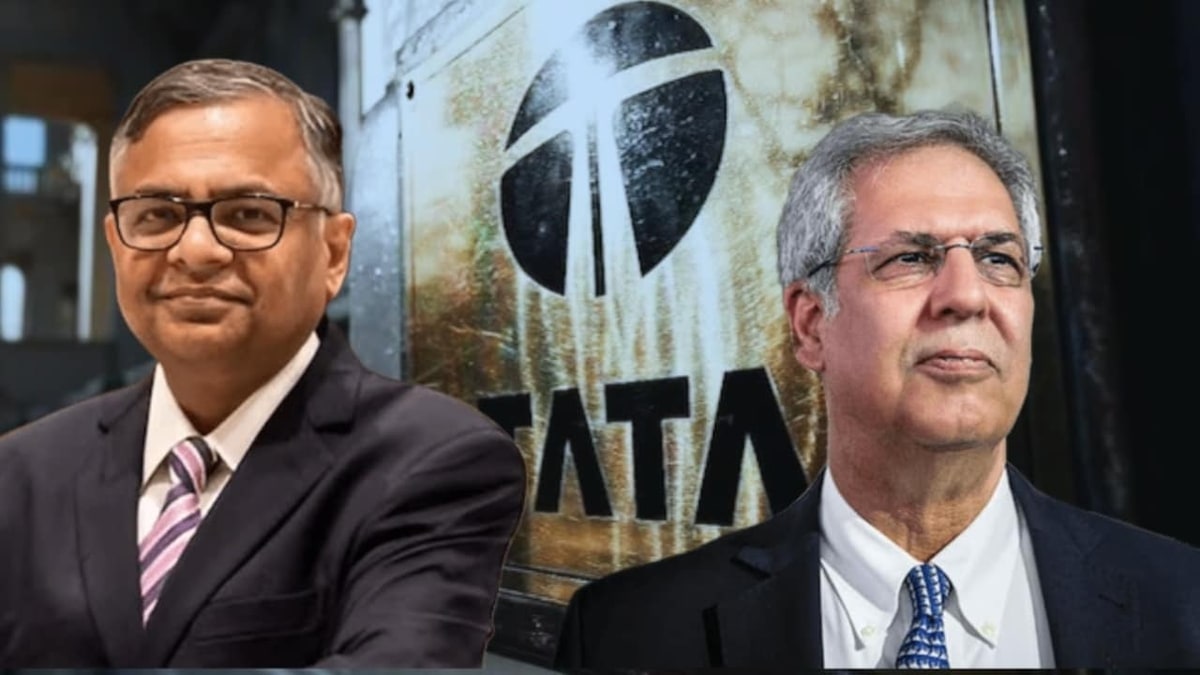
The power struggle at the top of the Tata Group, India’s largest business house, has taken a new turn. Companies led by Noel Tata have appointed new chairpersons without seeking the usual approval of the holding company, Tata Sons, Business Today reported on Thursday, 12 November, citing The Economic Times. The Economic Times called it a sign of “parallel power centres” inside the group, and “Noel Tata Tata Sons leadership rift” became a top Google search in India.
Tata Sons’ side has not accepted that framing: people close to Noel disputed the suggestion that the holding company had been blindsided, according to the same reports.
How the fight started
When Ratan Tata died in October 2024, his half-brother Noel Tata became chairman of Tata Trusts, the charities that own about 66% of Tata Sons. N Chandrasekaran stayed on as chairman of Tata Sons, the job he has held since 2017.
That split the group into two centres of power. Noel does not own the shares personally, but the Trusts have strong rights written into Tata Sons’ articles of association: they appoint a third of its directors and hold veto powers over key decisions.
The flashpoints
The two sides have clashed openly this year, according to Outlook Business, Reuters Breakingviews and Business Recorder:
- Chandrasekaran’s term: Noel voted against extending Chandrasekaran’s term as chairman by five years. He later called the reappointment “illegal”.
- Listing Tata Sons: The board cleared a resolution that puts Tata Sons on the path to a stock-market listing despite Noel’s opposition. Noel and the Trusts argue there are ways to avoid it.
- Succession: the Charity Commissioner has reportedly stopped Tata Sons from forming a search committee for a successor.
Why it matters
Tata companies, from Tata Motors and TCS to Tata Power and Air India, touch millions of Indians as employees, customers and small shareholders, and any fight over who runs the group moves their shares. For Pakistani readers it is a familiar story in a different setting: a family-built business struggling to hand over control after its patriarch.
The next moves to watch are the Tata Sons board’s reply to the new chairperson appointments and any court or regulatory step on the listing.