Agniveer tenure extended: 75% of Agniveers get two more years, says CDS
Agniveers who are not made regular soldiers can now serve two extra years and then try for regular enrolment. What changed in the Agnipath scheme and why now.
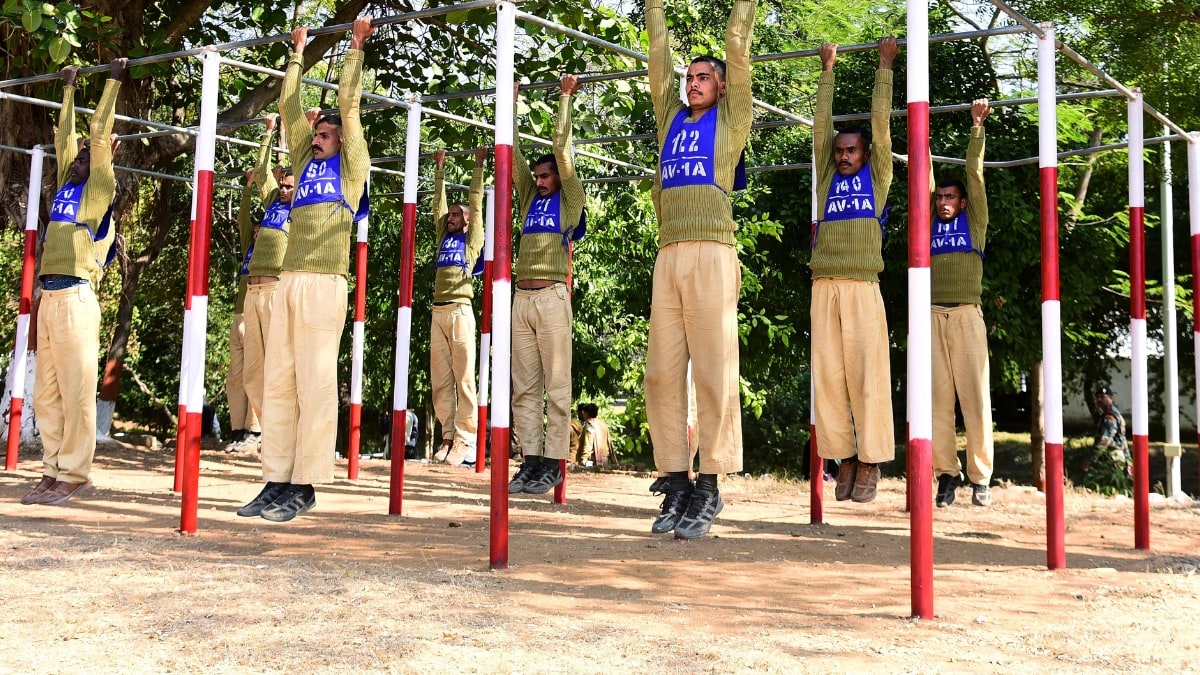
India has changed the rules of its short-service Agnipath scheme just as the first Agniveers reach the end of their four years. The 75% who were due to go home will now be offered a second, two-year engagement, and after that the willing ones can try again to join the armed forces as regular soldiers.
Chief of Defence Staff General N S Raja Subramani announced the decision on Wednesday, 4 November, after the Union Cabinet chaired by Prime Minister Narendra Modi approved it. “The Cabinet has created a pathway for all Agniveers to be absorbed into the Indian Army,” he said.
What has changed for Agniveers
- Four years stays the first step. Up to 25% of each batch will still be taken into the regular forces on merit after four years, as before.
- The other 75% get two more years. Instead of leaving, they will be offered an extra two-year engagement, taking their service to six years.
- A second chance at a permanent job. After those six years, those who want to stay can apply for regular enrolment, but selection will depend on meeting set, objective criteria; it is not automatic.
The terms for pay and the lump-sum Seva Nidhi package in the extra two years have not been spelled out in full; reports vary, so the official notification will be the one to check.
Defence Minister Rajnath Singh thanked the prime minister and called it “a continuation of long-term structural reforms of our defence forces”.
Why now
The timing is no accident. The first batch, about 24,400 recruits across the army, navy and air force, joined after the scheme was launched in June 2022. Phased releases were due to start in mid-November, with around 18,300 Agniveers expected to leave by 31 December.
Agnipath has been a political flashpoint in India since day one. Critics, including opposition parties and many former officers, said four years was too short and left most recruits without a pension or a clear future. Several states, including Uttar Pradesh, Haryana and Maharashtra, have since reserved police and other jobs for former Agniveers.
Why Pakistanis are watching
Pakistan’s own forces run on long-service enlistment, and military recruitment rules across the border are closely followed here for what they say about troop numbers and readiness. This change means most of India’s first Agniveer intake stays in uniform for at least two more years instead of leaving in the coming weeks.
The formal notification with the detailed terms is the next thing to watch.