Bridal mehndi designs 2026: full-hand styles, dark stain and aftercare
Full-hand Pakistani, Arabic mix, portrait and back-hand bridal mehndi for 2026, plus how to choose, get a dark stain, book an artist and care for it.
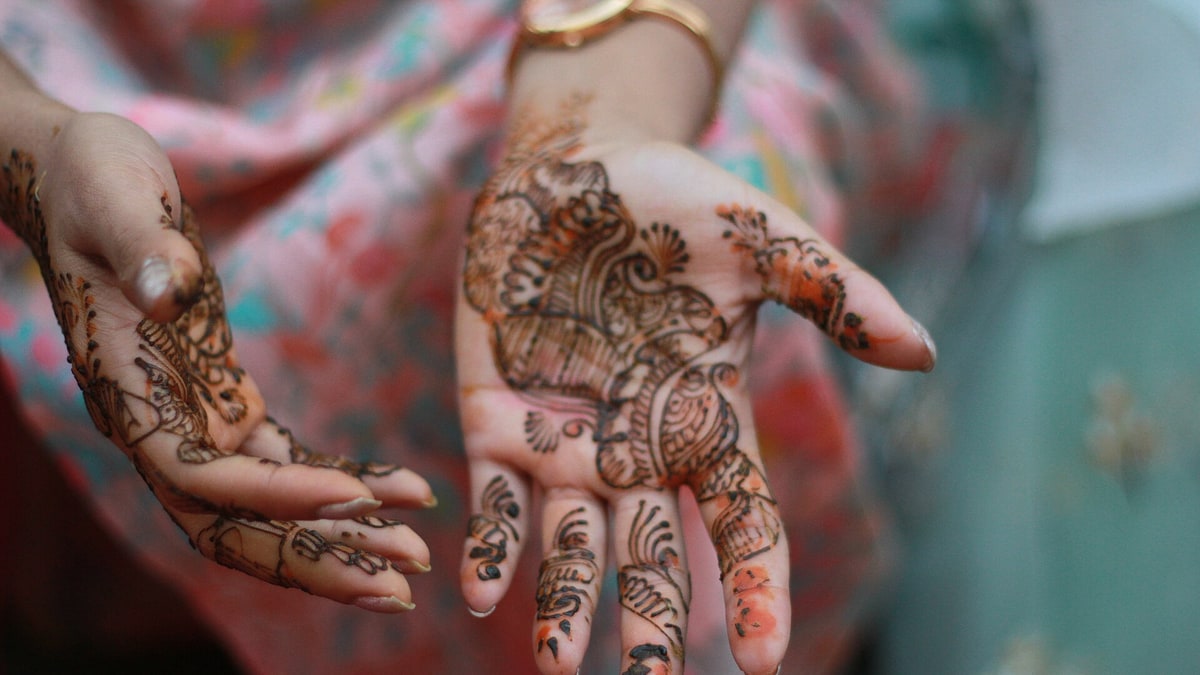
For a bride, mehndi is not an add-on to the outfit. It is one of the first things photographers will ask to shoot, and it sits on the hands in every close-up. Our earlier guide covered simple designs for wedding guests; this one is for the bride, with the styles being searched this wedding season and the practical steps that decide how the colour turns out.
Which bridal mehndi style should a bride pick?
There is no single right answer, but the main options are clear.
Full-hand Pakistani bridal. Remitly’s guide to bridal mehndi describes the Pakistani style as heavy, intricate work on the palms and fingers, with lighter, flowing designs running up the arms, and lists rose patterns, geometric shapes and delicate vine work as typical. Design roundups for 2026 describe the same idea: full coverage of the hand and wrist, often up to the elbow.
Arabic and Pakistani mix. Arabic mehndi, according to the same guide, uses bold flowing patterns with more open skin, usually on one side of the hand or foot. Many brides now take an Arabic trail on the arms and keep dense Pakistani detail on the palms, which keeps the hands busy without turning the forearm into a solid block.
Portrait and couple-name designs. Some design guides list portrait mehndi among this year’s trends, and personalised motifs such as a couple’s initials or names are common. If you want one, tell the artist early: a face or a name needs a steady, fine line and more time than a floral border. Keep the portrait small and placed where it will not smudge when you lift your dupatta.
Back-hand designs. Jaal, mandalas and large florals on the back of the hand show up in every photo of the nikah and the ring. If your outfit has heavy sleeves, the back of the hand and wrist matter most.
Feet. Brides often have the feet done to match, usually a simpler pattern than the hands. Under a long lehenga only the toes and top of the foot show, so a fine border can be enough.
How do you choose between them?
Start from the outfit. A heavily embroidered bridal dress with jewellery on the wrist and fingers hides small detail; a bold, open design reads better. A plain or minimalist outfit can carry dense full-hand work. Then think about hours: the more detail, the longer you sit. Ask the artist for a realistic time for both hands and feet before you fix the date.
How do you get a dark stain?
The tips below come from Remitly’s bridal mehndi guide and repeat across other guides we checked. None of them is a guarantee, because skin and henna quality vary.
- Use fresh henna with a smooth paste free of lumps.
- Keep the dried paste on for at least four to six hours; many brides leave it overnight.
- Dab a lemon juice and sugar mixture on while the paste dries so it stays in place.
- After removing the paste, warm the area gently, for example with a hair dryer on low heat.
- Avoid water for 12 to 24 hours after removal.
Timing matters as much as technique. The guide advises applying mehndi one to two days before the ceremony, ideally in the evening so the colour develops overnight, and not much earlier, since the colour fades after it peaks.
How do you book a henna artist in wedding season?
Dates fill fast from now until the end of winter. We could not find a reliable Pakistan-wide figure for how early to book, so ask each artist directly. One design blog suggests at least a week ahead, which is a minimum rather than a safe window for a peak Saturday. Ask for photos of the artist’s own work on bridal hands, whether they use natural henna, the price for hands and feet together, and whether they travel to your home for a mehndi night.
What about black henna?
Avoid it. The US Food and Drug Administration renewed its warning about “black henna” after reports of allergic reactions and chemical burns, according to Personal Care Insights. Many such products contain p-phenylenediamine (PPD), a dye that can cause blistering, scarring or lifelong sensitivity. Natural henna gives an orange to brown stain, so a jet-black result in minutes is a warning sign. Do a patch test on a small area if you are unsure about a cone.
How do you look after bridal mehndi?
Protect it from water for the first 24 hours and wear gloves for washing up. Rub in natural oils such as coconut or mustard oil, avoid harsh soaps, scrubs and chlorinated water, and moisturise regularly to stop dryness and cracking. Bridal mehndi typically lasts one to three weeks, the guide says.
We did not list products with this story: no henna cone from a Pakistani brand’s own store could be confirmed on the day we checked, on 12 November 2026.