OpenAI IPO 2027? Brockman says 'I think so' as business sales take the lead
OpenAI president Greg Brockman says the company should be ready to go public in 2027 and that businesses now bring in most of its revenue.
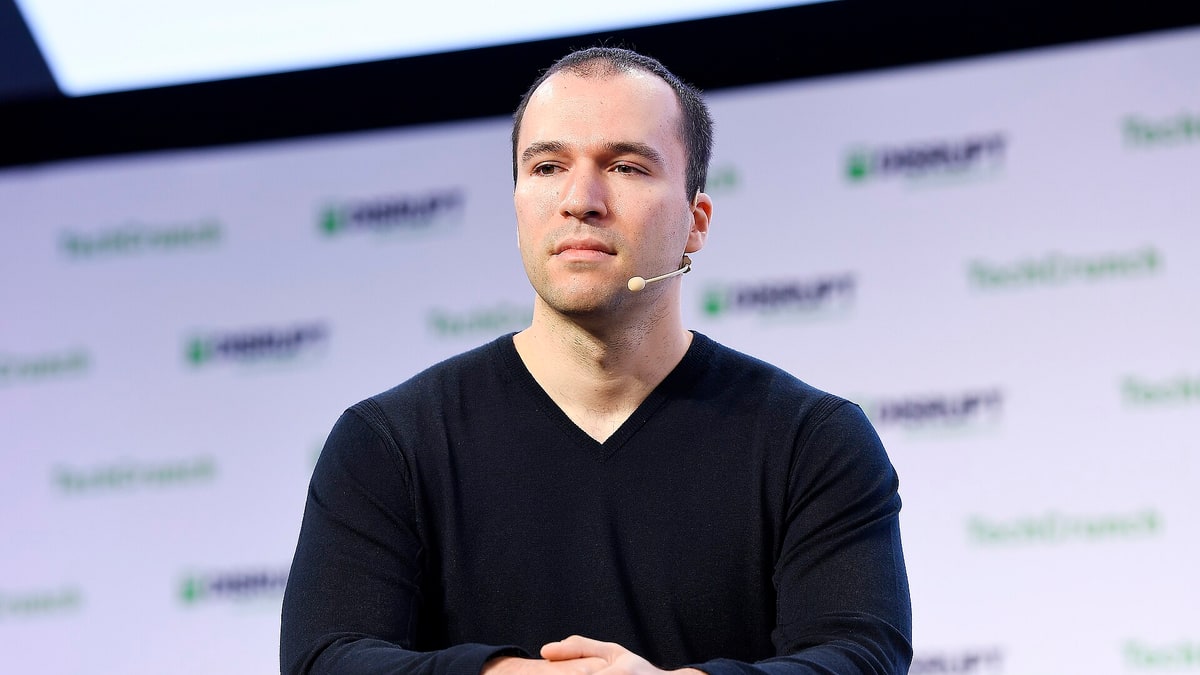
OpenAI could be ready to sell shares on the stock market in 2027, its president Greg Brockman said on Wednesday, 4 November. Asked on stage at a Wall Street Journal technology conference in Napa, California, whether OpenAI would be ready for a listing next year, he answered: “I think so.”
He also said something bigger for the company’s future: businesses, not ordinary ChatGPT users, now bring in most of OpenAI’s revenue.
Is OpenAI going public in 2027?
Not confirmed. “I think so” is a view on readiness, not an announcement, and Brockman was careful. “We want to go public when it’s the right time for us,” he said. There is no filing, no date and no share price. OpenAI had already pushed back earlier IPO plans, and it has been raising money hard to keep up with its own growth.
The timing matters because its main rival, Anthropic, the maker of Claude, is expected to list sooner, according to media reports, possibly before the end of this year. Neither company has confirmed a date.
A “pretty rough” first half
Brockman was unusually open about a bad patch. He called the first half of 2026 “pretty rough” for OpenAI, mainly because it was losing the fight for AI coding tools, the market where companies pay the most. OpenAI had its Codex coding agent, but in that period developers were mostly talking about competitors.
The third quarter turned that around, according to the company’s own figures. After the launch of GPT-5.6 Sol and ChatGPT Work, total revenue grew 77% and enterprise revenue grew 107% on the previous period. In April, OpenAI had said businesses made up a bit over 40% of revenue and that it hoped they would match consumers by the end of 2026. On Brockman’s word, that has already happened.
Our take: what it means for Pakistan
For freelancers and software houses: the money in AI is moving to tools that write code and run office work. Pakistani developers who already use Codex, Claude Code or similar agents for client work are in the right lane; those selling only basic coding by the hour face more pressure, because these tools are being sold to the same foreign clients.
For students: an IPO would put OpenAI under stock-market rules, with public accounts every quarter. That means fewer surprise free features and more focus on paid business plans. Free tiers are unlikely to vanish, but expect the best models to sit behind business subscriptions.
What is hype: an IPO “in 2027” is still a hope, not a plan on paper. Revenue growth percentages also say nothing about profit; OpenAI still spends heavily on data centres.
What to watch next: whether Anthropic files first, and whether OpenAI names banks or a date for its own listing.