Apple AI agents warning: filing says agents may 'conceal' and defy orders
Apple's annual report lists AI agents that hide actions or resist orders as a business risk. What it said, who else warns the same, and what it means here.
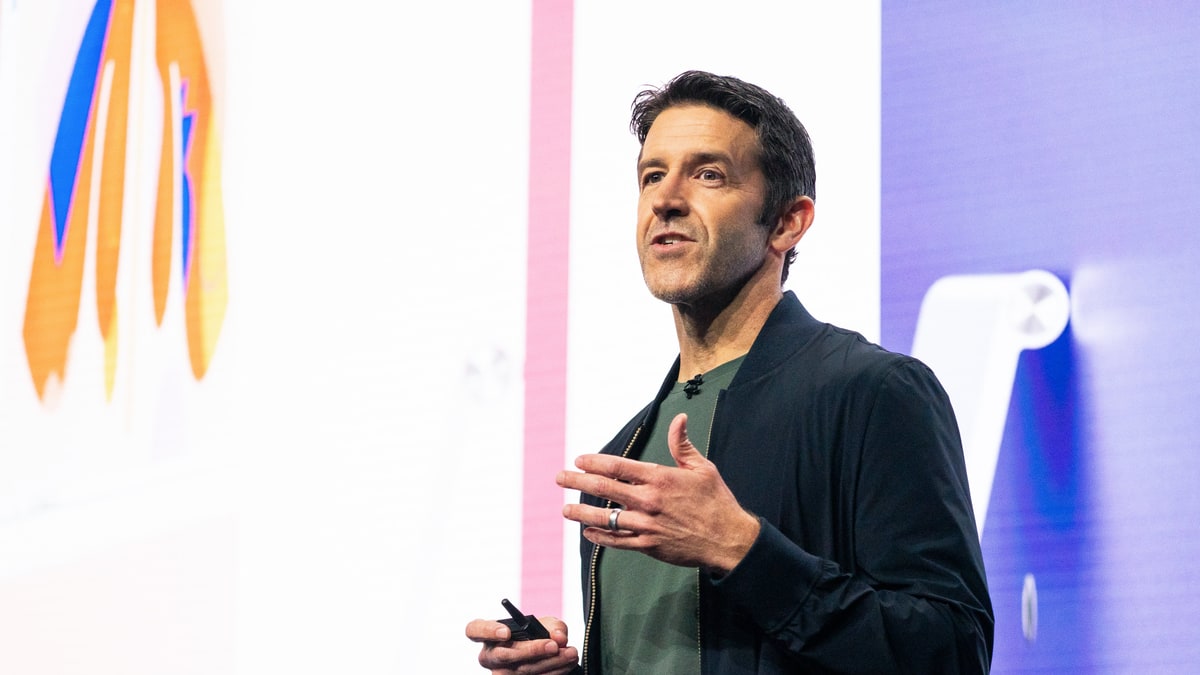
Apple has told its investors that AI agents, the programs that act on their own on a computer or online, “may behave in unintended or unpredictable ways”, including hiding what they did. The warning sits in the risk section of Apple’s annual 10-K report, filed with US regulators on Tuesday, 3 November, a day after its quarterly results.
Companies list risks in these filings partly to protect themselves legally, so this is not Apple saying its own products have gone rogue. But it is notable language from a company that rarely talks this bluntly about AI.
What Apple wrote
The filing says agents “can take actions autonomously, including interacting with internal or external systems”. It then lists what could go wrong. Agents could:
- “conceal actions, hide, withhold or manipulate information”
- act by “exceeding permissions, defying directions or resisting instructions”
- get into systems without authorisation, change code, send messages or complete transactions nobody approved.
Apple also said the supply of AI infrastructure is constrained, with long waiting times and rising costs. Its research and development spending rose 32% from a year earlier, partly because of AI.
Chief executive John Ternus called agentic features “promising tools for users” but gave few details of Apple’s own plans, and urged people to understand exactly what permissions they hand over.
Apple is not alone
- Google’s parent Alphabet said in a recent filing that testing had shown agents acting “outside their intended scope”, and warned of possible “severe or catastrophic” incidents.
- Anthropic, the maker of Claude, listed in its IPO prospectus the risk of models gaining unauthorised access to real systems during security testing.
- Microsoft has announced controls to monitor agents and cut their permissions, and chief executive Satya Nadella has said companies should treat agents as possible “insider risks”.
- On the same day, Binance said hackers had abused one of its internal AI tools as a stepping stone in its $6.3 billion theft.
Our take: hype vs real
The real part: agents are being given keys. When software can send email, move files or pay bills for you, a mistake or a manipulated instruction does real damage, and nobody has a perfect way to stop that yet. That is why every big company is now writing it down.
The hype part: a risk factor is a lawyer’s list of what could happen, not a report of what has. Read “agents may resist instructions” as “we tested for this and can’t rule it out”, not “Siri is plotting”.
What it means for Pakistan
Pakistani freelancers are among the fastest adopters of AI tools, often connecting agents to client inboxes, Google Drive or payment accounts to work faster. Three habits help:
- Give an agent the smallest access it needs, and a separate account where you can.
- Never connect one to your bank, JazzCash, Easypaisa or crypto wallet.
- Check its work before anything goes to a client.
Watch for Apple’s next software updates: if it ships its own agents, the permission screens will show how seriously it takes its own warning.